

What it Was?
Sports 2.0 Network was my internal sports content network during the early-to-mid 2020s. It grew out of Knup Solutions, our sports and iGaming content agency. At peak agency capacity we had nearly 100 writers. Sports 2.0 was how we cross-utilized that bench on owned sites instead of only shipping client work.
The idea was simple: give writers live properties to publish on, train newer talent in real SEO environments, share content across a hub, and learn what it actually takes to run sports media at volume. It became a proving ground for operations, quality control, distribution, and the hard truth that traffic and monetization are different sports.
I wrote a full operator breakdown of that era here: What I Learned Running a Sports Content Network at Scale.
Timeline Snapshot
- Pre-2022: Flagship and niche sports properties already existed under the broader Knup sports media work, including Knup Sports and several team/niche sites.
- 2022: Formalized Sports 2.0 as a network to absorb agency capacity, standardize publishing, and expand niche + betting coverage.
- 2022–2023: Grew the footprint to 17 content websites plus bonus properties, social channels, email lists, and multiple shows. Sports20.com acted as the network hub feed.
- 2023: Used the network as a live lab while AI sports publishing accelerated through Coded Content.
- 2024: Began rolling learnings, stronger brands, and assets back toward fewer flagships — especially Knup Sports — instead of maintaining every logo forever.
- Archive: Sports 2.0 as a multi-site network experiment is retired. The lessons still shape how I build media systems today.
Why I Built It
Client work pays for throughput. Owning a network teaches the rest of the stack: briefs, editors, SEO templates, brand voice, social packaging, email, conversion paths, and the cost of login sprawl.
We already had writers. What we needed was an internal league where those writers could publish across owned sports properties, get coached against live standards, and help us see which site formats deserved long-term attention. Sports 2.0 was that lab.
What the Network Included
At the snapshot that defined the project:
- 17 content websites with traffic, authority, and rankings
- 3 bonus properties around betting commerce and community
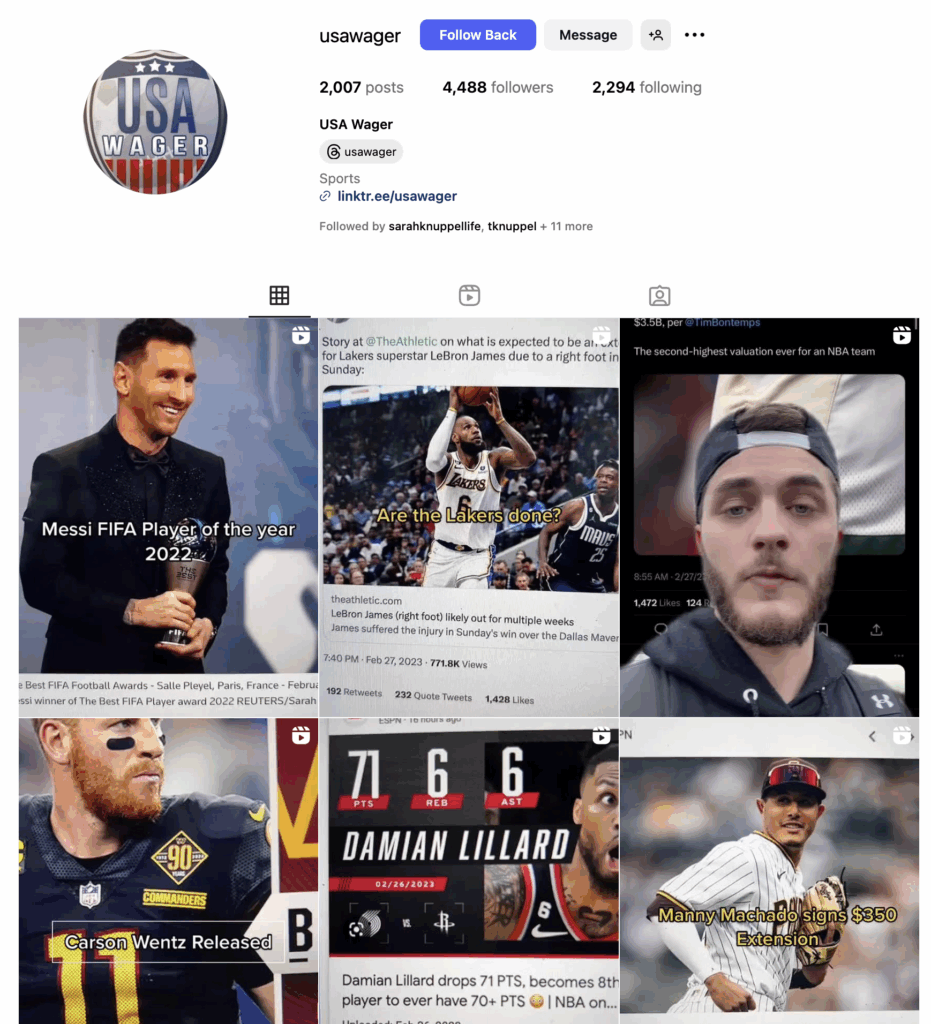
- ~19 social channels with more than 70,000 combined followers
- Email lists totaling more than 16,000 targeted opt-ins
- Multiple shows across interviews, bets, and niche sports
- ~700,000 organic sessions across the network in a 12-month window, with no paid traffic
Flagship Sites
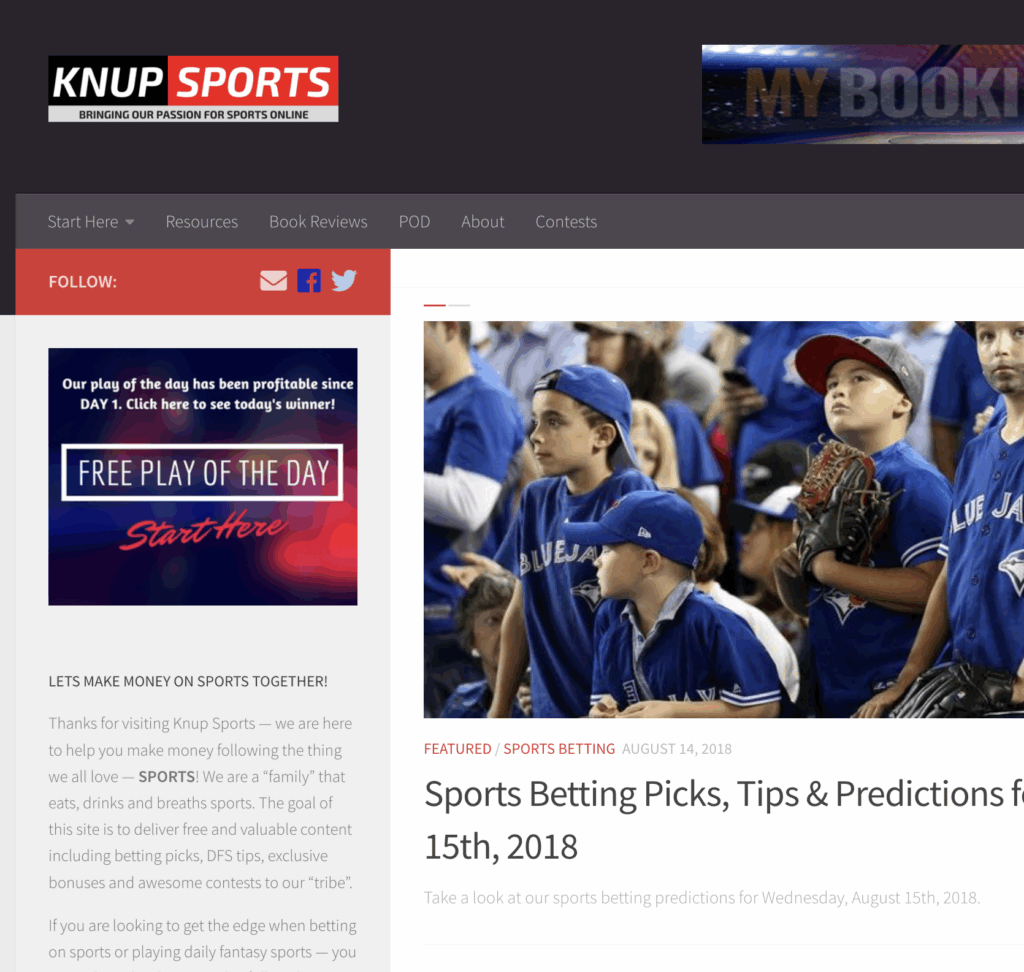
- KnupSports.com — staple sports media brand and deepest archive
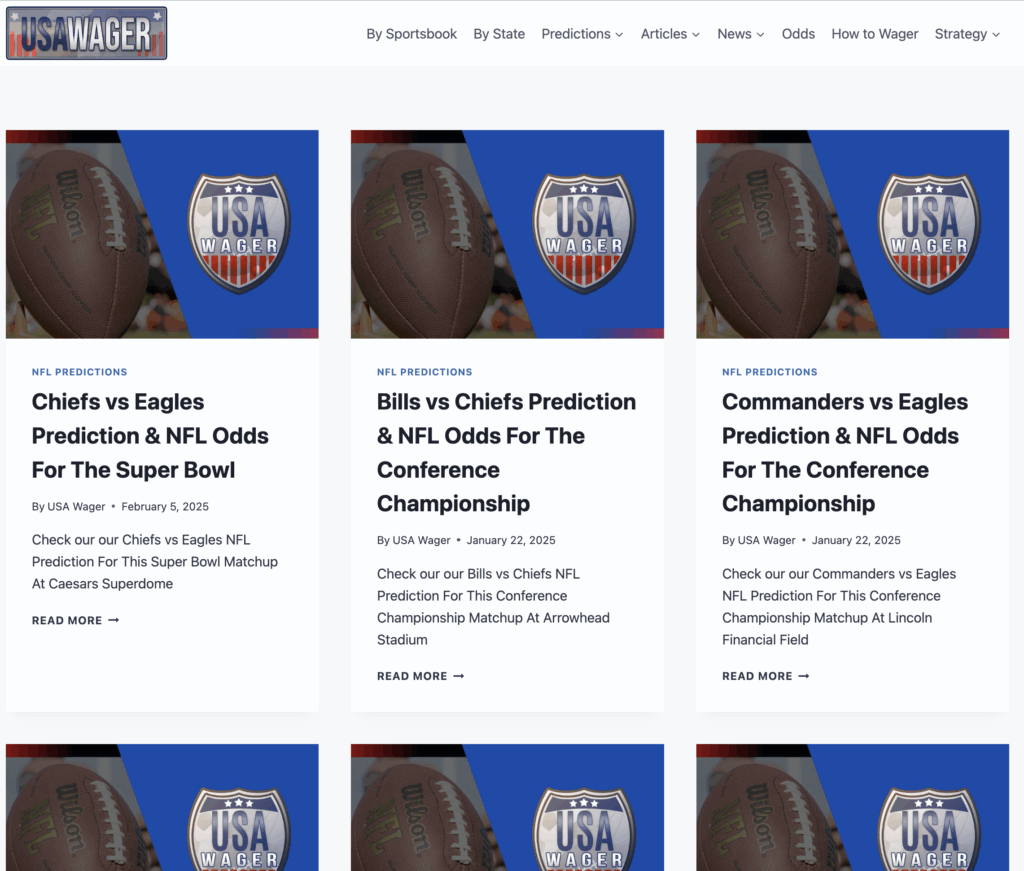
- USAWager.com — U.S. sports betting focused property
- Sports20.com — hub site that pulled network content in automatically by sport and author
Niche Sports Sites
- BaseballSpotlight.com
- BasketballArticles.com
- FootballTakes.com
- SoccerTakes.com
- MMATakes.com
- HockeyTakes.com
- EsportsAllstar.com
Betting Sites
- BettingBlogger.com
- BettingMidwest.com
Team / City Sites
- TalkinBoston.com
- CardinalsGM.com
- CubBaseball.com
- SaintLouisSports.com
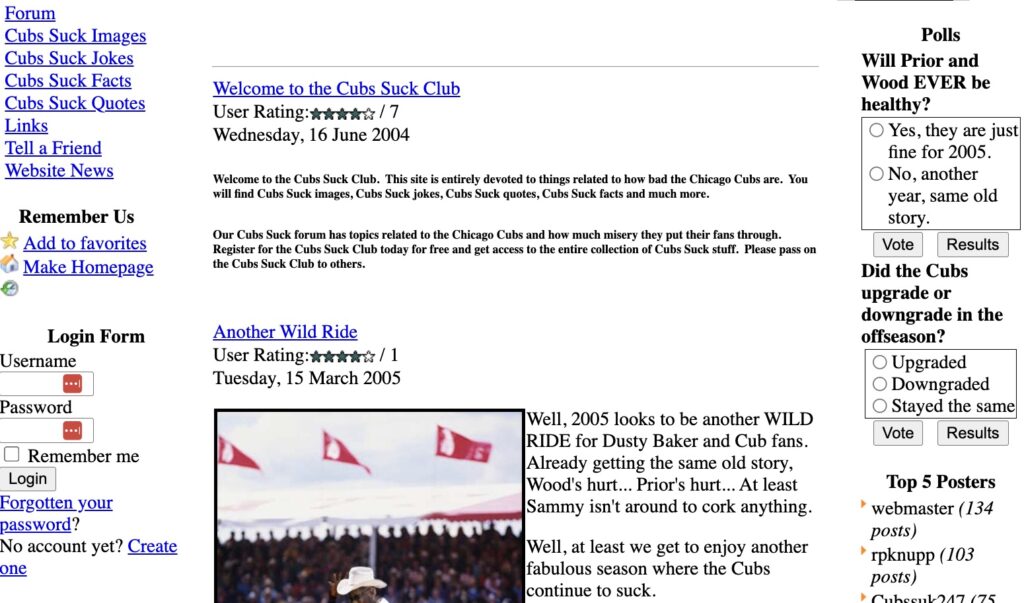
- CubsSuckClub.com
How It Operated
- Writer Bench – Agency writers and editors published into owned network properties with sport and site ownership where possible.
- Hub Distribution – Sports20.com aggregated fresh posts so the network had a front door and contributor showcase.
- SEO & Templates – Shared publishing patterns, brand image templates, and WordPress tooling across sites.
- Shows & Social – Interview and niche shows plus social channels extended reach beyond article pages.
- Training Ground – Newer writers learned standards in live environments instead of only on client deadlines.
- Selective Monetization – Ads, affiliates, and sponsorships were tested, but full conversion systems were never the primary mission of the network era.
Where It Went
- Status: Archived as a multi-site network experiment.
- Surviving focus: Stronger brands and systems rolled back toward Knup Sports and related properties.
- Operating lesson: Site count feels like growth. Fewer strong properties usually win on SEO, analytics, and conversion clarity.
- Technology lesson: Human scale taught us quality control. Coded Content became the leverage layer for sports publishing volume.
- Commercial lesson: Publishing at scale is solvable. Monetizing sports traffic is the harder game.
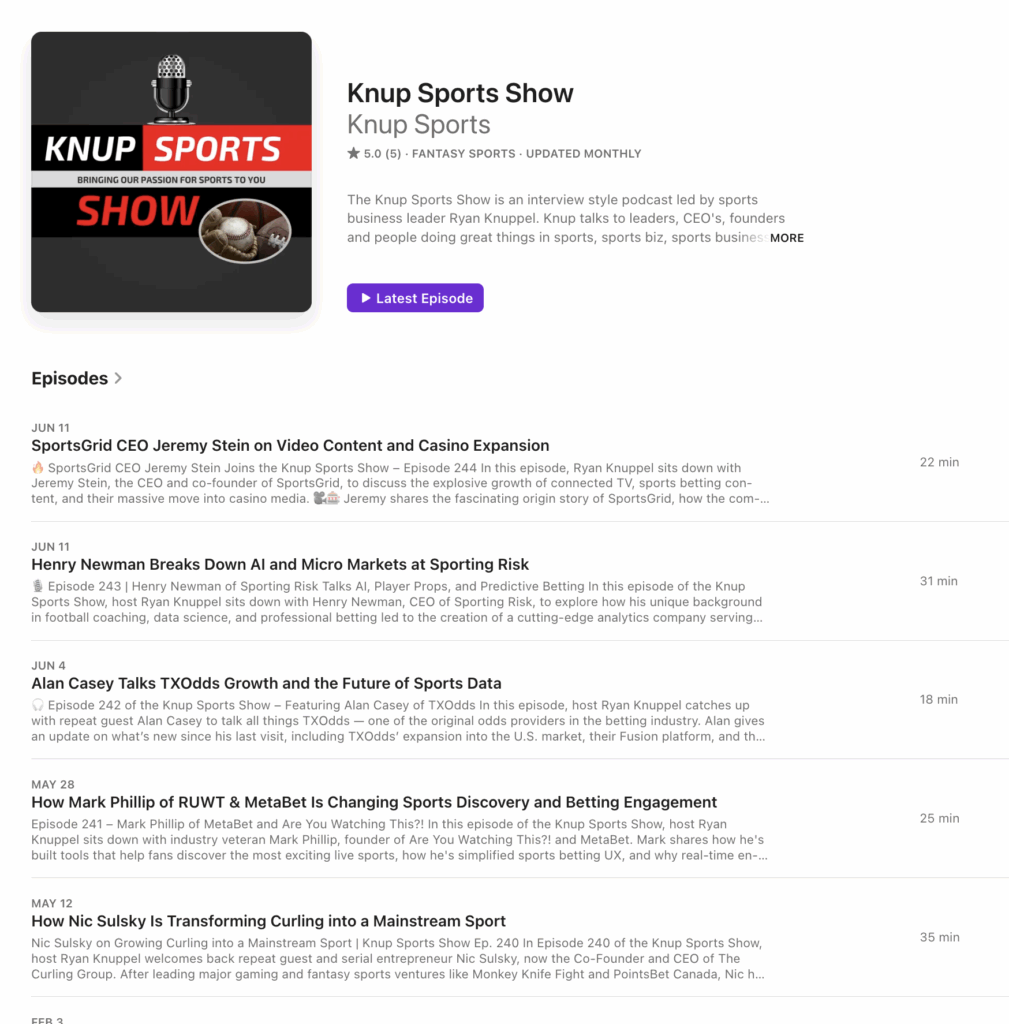
Venture Visuals
A look at properties and surfaces that lived inside the Sports 2.0 era:

Final Thoughts
Sports 2.0 was never just a pile of domains. It was a pressure test for sports media operations: can you publish useful content at volume, keep quality from collapsing, and still move toward a real business model?
We got the publishing and training parts right more often than not. Monetization stayed the harder problem. Consolidation became the grown-up move. Those lessons are why I care so much now about systems, conversion paths, and infrastructure instead of collecting logos for their own sake.
 Knup
Knup
 Coded Content
 Sports Mentorship
 Ideal Homeschool
 Real Estate
 Maxing
 CubsSuck.com
 Golden Tee Fan
 Sports Startups
 Sports Collectives
 Sports NIL
 Powered Shoes
 Sweeps Listings
 Casino Startups
 These Shows
 GolfOzarks.com
 Knup Local
 Castanova
 BryceKnuppel.com
 TomKnuppel.com
 History of Cardinals
 PRP Treatments
 Smart Communication Systems
 Morgan Peterson Music
 Knup Domains
 USA Wager
 Rewritten Life
 Knup Sports
 Knup Sports Cards
 Sports Business University
 SportsContent.ai
 Spins Labs
 Knup Advisors
 Gambling Domains
 Tour Nation
 Cappers Lounge
 Saint Louis Sports
 DROP
DROP
 Inspired Arts Academy
 Betting Blogger
 Reselling
 One Season Trader
 Stub Nation
 Getaway Games
 Cardinals GM
 Celebrity Club Network
 Knup Solutions
 Link Bidding
 Sports Bonehead
 Knup Host
 Peoria Sports Online
 Triple Locks
 RAKE-IT-IN
 Pickem Central
 Eatlet
 Fact Central
 Deal Start
 FSDL
FSDL
 KnupNET