
Someone says yes on a call. Everyone feels good. Then nothing happens for three days because the person who built the trust is also supposed to send the invoice, book the kickoff, and chase the card on file.
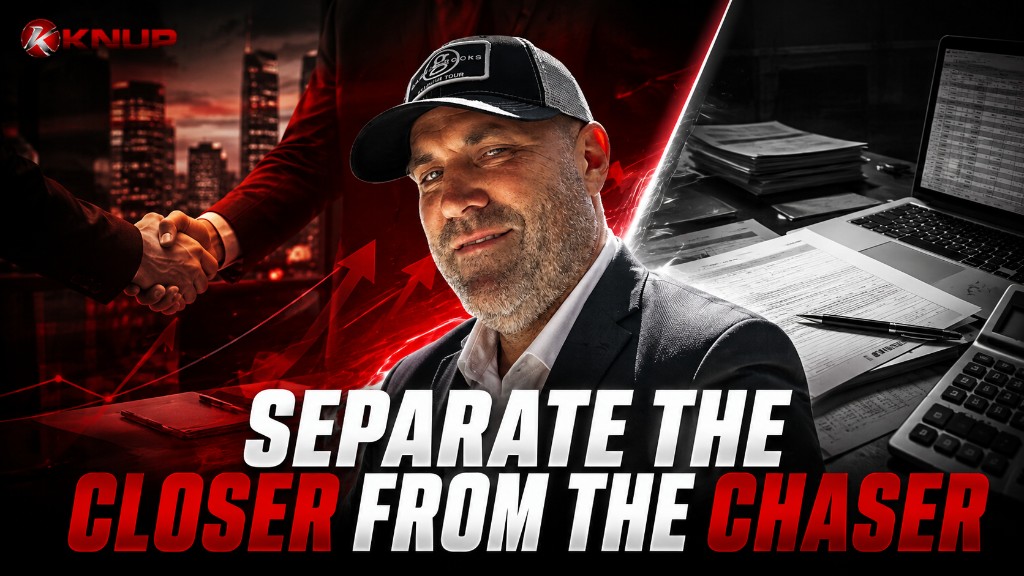
That stall is quiet and expensive. We are fixing it on Sports Mentorship and Ideal Homeschool with a simple rule: separate the closer from the chaser.
This is not fake “billing department” theater. We still use real people and real addresses — drew@, sarah@, ryan@. The change is ownership after the verbal yes, not inventing a twelve-person company.
The verbal yes is where deals go to nap
Sarah and Drew are often the ones on the call. They listen. They diagnose. They earn the yes. That relationship is the asset. Same idea as relationship-first businesses: the human connection is the point.
After “yes,” the work changes. Calendar links. Kickoff times. Payment setup. Reminder emails. Soft nudges when life gets busy for the client. That work is necessary. It is also a different energy than the discovery conversation.
When the closer also becomes the chaser, two things happen:
- The next step stalls because nobody wants to interrupt the warm vibe.
- The closer starts feeling like the bad guy for doing normal operations.
Not because invoices are immoral. Because the same voice that just said “we’ve got you” is suddenly the voice saying “payment is due.” One person can do both. Many of us have. It just costs relationship capital you did not need to spend.
What we are activating on Sports Mentorship and Ideal Homeschool
On Sports Mentorship, Drew is deep in the athlete, family, and mentorship conversation. On Ideal Homeschool, Sarah owns the parent-facing relationship and education lane. I have written about keeping those lanes clean when we work as a couple in Working With Your Spouse Without Turning Home Into a Meeting. This post is the sales-ops cousin of that idea.
The handoff we want after a verbal yes:
- Closer confirms the yes and the next step out loud on the call.
- Closer tells the client someone will follow up on scheduling and payment — and means it.
- Ryan takes ownership of the ops lane: schedule it, invoice it, confirm it, close the loop.
- Closer stays available for relationship questions without carrying the chase.
Sarah and Drew need that relationship strong and healthy. I do not need to be the hero of every warm conversation. I do need the deal to move from “sounds great” to “on the calendar and paid.”
Why the closer should not also be the chaser
Psychology first. Founders and relationship owners go soft on money. I have lived that. Underpricing, waiting, hoping the client remembers — I covered the money side of that habit in How to Price Your Services Without Undervaluing Yourself. Softness after a yes looks polite. It often looks like neglect.
Ops second. Scheduling and invoicing are a checklist. Checklists get done when someone owns them. “We’ll figure it out later” is how later becomes never.
Trust third. Clients usually want clarity. A clean handoff feels professional. A week of silence after “we’re in” feels uncertain. Separating roles is kindness to the buyer, not a trick on the buyer.
Honest version: it can still be a tiny team
We are not pretending we have a scheduling floor and an AR department. We have people with jobs.
Sarah closes and serves Ideal Homeschool conversations.
Drew closes and serves Sports Mentorship conversations.
Ryan owns the post-yes ops so the closer can move on knowing it will get scheduled and payment will get set up.
If a client asks who is emailing them, we tell the truth. Real names. Real mailboxes. The point is division of labor, not cosplay as a Fortune 500.
That honesty matters. Fake “teams” collapse the first time reply-all hits one inbox. Real handoffs survive contact with reality.
ActiveCampaign for the follow-through
Tags, sequences, and reminders turn “Ryan owns ops” into a system instead of a sticky note in someone’s head.
A simple post-yes script
On the call, the closer can say something like:
“Great — we’re aligned. I’m going to stay your person for the work. Ryan will send scheduling and payment next so we can lock dates and get started. You’ll hear from him shortly.”
Then the closer actually hands it off. Same day. Not “when I get a minute.” Verbal yes without an owner is how deals cool off. I wrote about useful follow-up without spam in How to Follow Up With Leads Without Being Annoying. This is the sibling idea: assign the next step before the call ends.
What the chaser owns
- Send the scheduling options or booking link fast.
- Send the invoice or payment link with clear scope language.
- Confirm when both are done.
- Nudge once or twice if life gets in the way — without dragging the closer into collections theater.
- Loop the closer back in for relationship questions, scope changes, or cold feet that need a human conversation.
The chaser is not the enemy. The chaser is the reason the closer can keep being trusted.
When one person still has to do both
Plenty of solopreneurs do not have a Drew, a Sarah, and a Ryan. Fine. Separate the roles in time and tone even if the same human wears both hats.
- Close on the call with warmth.
- Send ops from a clear “next steps” frame within an hour.
- Do not mix relationship coaching and payment nudges in the same paragraph when you can help it.
- Use a CRM so reminders are system, not shame.
If you are building that stack, ActiveCampaign is the tool I recommend for tagging the stage (“verbal yes,” “scheduled,” “invoiced,” “paid”) and automating the boring reminders. Built by Knup is for people who want the website, CRM path, and handoff designed as one system.
This protects referrals too
Awkward money energy leaks into referrals. People introduce you when the experience felt clean. A stalled yes followed by a guilty chase feels messy. Clean ops after a warm close feels like a grown-up business. That pairs with How to Ask for Referrals Without Feeling Awkward — trust compounds when the process respects the relationship.
Built by Knup for handoffs that actually fire
If your verbal yeses keep dying in the inbox gap, we can map closer → ops → CRM so scheduling and payment are owned, not hoped for.
Final thoughts
Separate the closer from the chaser. Let Sarah and Drew keep the relationship healthy. Let Ryan own the schedule and the payment setup after the verbal yes. Use real names. Use real ownership. Stop letting good conversations die in the quiet week after “we’re in.”
Warmth closes. Systems collect. Confusing those jobs is how small teams stall. Same muscle shows up when builders stall at 80% — I wrote about that pile of almosts in I Have About 10 Half-Built Projects and Almost None of Them Have Launched. Longer term, agentic ops is part of how I want those systems to fire — that journey starts in I Call My AI Agent Punk.
Automate the chase, or build the handoff
Need CRM tags and reminders so post-yes steps fire? Start with ActiveCampaign. Want help designing the full closer → ops path for your business? Start Built Discovery.