
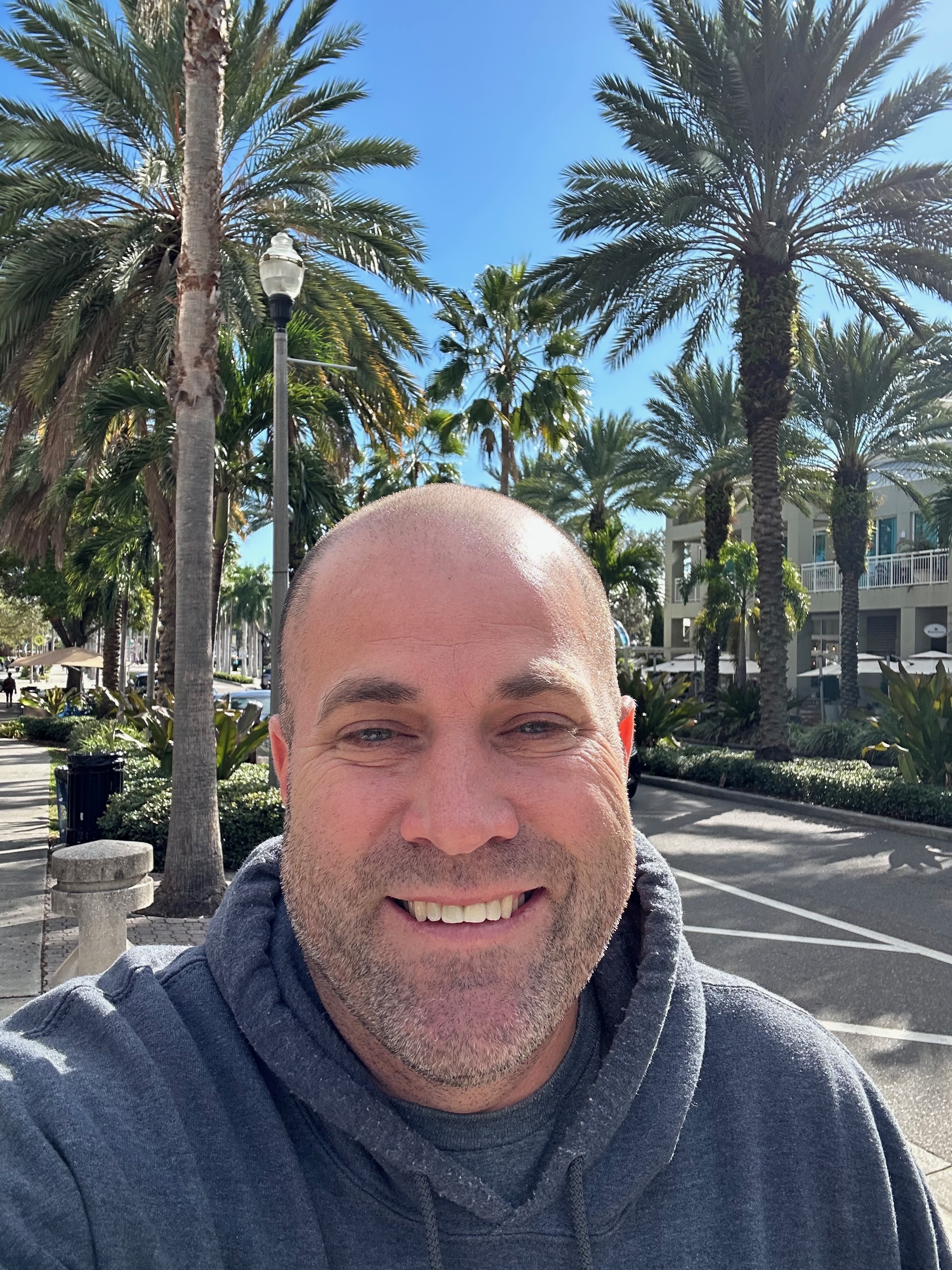

If your morning only works when everything is familiar, it is not a routine yet. It is a home habit.
We are heading toward full-time travel — no permanent home, hotels and Airbnbs as the default workspace. That makes the morning more important, not less. The life audit and systems work are already in motion in What We're Changing So We Can Work From Anywhere and Do a Life Audit Before You Go Location Independent. This post is the daily open: how to start the day so deep work does not vanish the second the room key changes.
What my home morning actually looks like
I am not a 5 a.m. cold-plunge guy. Football season means late nights. A realistic home day looks closer to this:
- Wake up, breakfast around 7:30, energy drink — I am not a coffee person
- Laptop open near 8:00 for daily admin (email, light tasks, triage)
- Morning walk
- Afternoon: grind on development and needle-moving work
- Late afternoon: work from somewhere else when I can
- Mid-afternoon movement — cycle, stairs, or a brisk walk
- Dinner with family, evening walk with my wife, then TV (sports, reality, whatever)
That schedule is intentional at home. On the road, the first thing that usually dies is the afternoon deep work block — inbox expands, Wi‑Fi wobbles, the “quick errand” turns into the whole morning. Occasional trips can absorb that. Full-time nomad life cannot. Same lesson as maintaining instead of restarting: if the system resets every Monday, you never compound.
The hotel morning that made this click
Last season I had a short hotel stretch during a busy football week. Late Sunday night game. Soft hotel mattress. Energy drink in a paper cup. Laptop on a desk that was really a dresser.
By 10:30 I had cleared Gmail, answered “urgent” messages, and convinced myself I was productive. I had not opened Cursor for a single needle-moving build task. The walk got skipped. Deep work got promised for “after lunch,” then the afternoon became logistics. The trip was fine. The pattern was not — because that is exactly how a full-time travel calendar eats a business if you let it.
So I stopped optimizing for a perfect spa morning and started optimizing for a portable minimum: movement, admin, protected build time.
1. Separate non‑negotiables from flexible pieces
Travel mornings fail when everything is sacred. Rank the day.
Non‑negotiables (solo morning core):
- Get upright, eat something, energy drink if that is your fuel
- A short outdoor walk or equivalent movement
- A laptop admin pass — Gmail and daily triage only
- A protected deep work block for revenue or shipping work, even if it is shorter than at home
Flexible (cut these first):
- Exact 8:00 start after a late arrival or late game
- Changing locations for the late-afternoon “work somewhere else” block
- Full workout length — stairs or a brisk loop still counts
- Evening TV volume and timing
- Admin perfection — inbox zero can wait
If everything is required, nothing is. This is the same intentional filter behind decisions that made life feel intentional — fewer fixed promises, kept.
2. Pack a morning kit, not a second office
Your routine survives travel when the tools fit in one bag and boot in any room.
- Laptop + charger in a dedicated sleeve so the desk setup takes under two minutes
- Gmail / Google Workspace for admin — one inbox pass, then stop
- ChatGPT for triage help: rewrite a reply, turn notes into a short plan, unblock a stuck task
- Cursor for the deep work block — the place shipping actually happens
- Headphones, refillable bottle, and whatever energy drink you can find locally
Keep the stack tiny. More apps create more morning decisions. For freelancers drowning in AI options, the short-list idea in Top AI Tools for Freelancers still applies: coverage, not collections.
One backpack for the laptop day
Hotel and Airbnb mornings get easier when the laptop, charger, and headphones live in one grab bag. Shop a travel / laptop backpack through Knup’s Amazon hop.
3. Use a two-speed morning: admin, then build
Do not open deep work and Gmail in the same breath. Sequence them.
- Admin speed (30–45 minutes): Gmail, calendar, quick replies, delete noise. Use ChatGPT if a reply needs a cleaner draft. Then close the inbox tab.
- Walk (10–20 minutes): Outside if possible. Hotel hallway laps or stairs if weather or safety says no.
- Build speed (60–120 minutes): Cursor open. One needle-moving task only — ship, fix, publish, sell. No new side projects. That is how you avoid the half-built projects trap on the road.
At home, your deep work often lives in the afternoon. On travel days, pull a shorter build block forward into the morning so logistics cannot steal the whole day. Protect it like a client call.
4. Write a travel version of the day before you sleep
The night before a hotel or Airbnb day, spend two minutes defining tomorrow:
- What is the one build outcome?
- What time does admin end?
- Where will the walk happen?
- What gets cut if the morning starts late?
Put it in a note, a calendar block, or a ChatGPT saved prompt — whatever you will actually open. The point is not journaling. The point is removing morning negotiation.
5. Design for bad Wi‑Fi and weird desks
Travel mornings die on friction. Pre-decide workarounds:
- Download what you need the night before when the project allows offline work
- Hotspot as backup, not surprise
- Sit where the chair does not wreck your back in ten minutes — lobby, breakfast table, or a café if the room is useless
- If deep work needs focus, headphones on before Slack / social tabs open
Entrepreneur days already blur into nights — Friday hits different when you own the business. Travel multiplies that blur. Friction rules keep the morning from becoming another soft restart.
6. Keep family and evenings as a separate lane
This post is about the solo work open. Dinner, the evening walk with my wife, and TV time still matter — they just are not the morning system. On the road, protect the open so the close of the day can stay human. Full-time travel fails when work leaks into every hour because the morning never created momentum.
A portable morning checklist
- Pack the laptop bag the night before
- Write tomorrow’s one build outcome
- Wake → breakfast / energy drink
- Admin pass in Gmail (timed)
- Walk or stairs
- Deep work in Cursor (timed, one outcome)
- Only then: logistics, exploring, optional café move, longer workout
Final thoughts
Building a morning routine that survives travel is not about copying a guru’s 4:30 a.m. stack. It is about carrying three promises into every hotel and Airbnb: move your body, clear the noise, ship something that matters.
Home can stay richer — afternoon grind, remote change of scenery, full workouts, family evenings. Travel needs the portable core. Get that right before you go full-time, and the road stops being an excuse to restart your business every week.
Road desk essentials
A laptop travel backpack and Prime restocks make hotel mornings less chaotic. Shop through Knup’s Amazon links — as an Amazon Associate, Knup earns from qualifying purchases.
- Amazon — Start Amazon shopping through Knup’s Associates link to support the ecosystem at no extra cost.
- Amazon Prime — Fast shipping, streaming, and the membership we actually use for travel restocks and family life. Start a Prime trial or sign up through Knup’s referral link.
As an Amazon Associate, Knup earns from qualifying purchases.
Ship on the road — or wire the whole remote system
Cursor is where my deep work block lives when the desk changes cities. If you want websites, offers, and remote systems built to travel with you, start Built Discovery.