
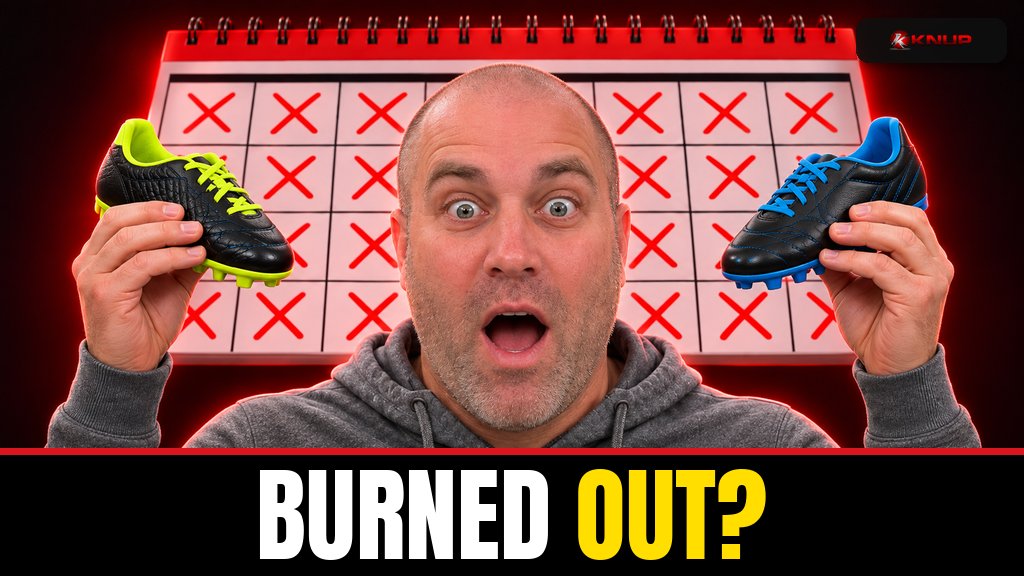
There is a moment a lot of sports parents know. Your kid used to grab their bag before you even said it was time to go. Now you are calling them three times, they are moving slow, and the ride to practice is quiet.
Maybe it is a rough week. Maybe it is something bigger.
We have lived the athlete path as a family, and it is a big reason Sports Mentorship exists. The goal is not just the next game. It is helping young athletes grow in sports, school, business, and life. And you cannot do any of that if a kid is completely fried on the thing they used to love.
So here is the practical version of how to help your kid avoid sports burnout, using what the American Academy of Pediatrics actually recommends, plus how I think about it as a parent.
What sports burnout actually is
Burnout is not the same as being tired after a hard practice. Tired goes away with sleep. Burnout sticks around.
The American Academy of Pediatrics put out a clinical report in 2024 called Overuse Injuries, Overtraining, and Burnout in Young Athletes. It describes burnout as physical or mental exhaustion and a reduced sense of accomplishment that leads a kid to devalue the sport. The same report calls burnout one of the primary reasons kids leave youth sports.
The AAP's parent site, HealthyChildren.org, puts it in plainer words: burnout is when kids no longer feel a sense of fun and accomplishment when they play or practice. That same article says studies show nearly 70% of kids in the U.S. drop their favorite sport before age 13.
That number should get every sports parent's attention. Most of those kids did not wake up one day hating the game. Something wore it down.
Burnout vs. overtraining vs. just a bad week
These three get mixed up, and the fix is different for each.
- A bad week. A tough loss, a fight with a teammate, a test on Friday. Your kid bounces back in a few days.
- Overtraining. The AAP describes it as a drop in performance caused by an imbalance of training and recovery, often with persistent fatigue, poor sleep, and mood changes. The body is not getting enough time to recover.
- Burnout. The joy is gone. Your kid feels exhausted, stops feeling like they are getting anywhere, and starts to care less about the sport itself.
Overtraining can lead to burnout, which is why recovery matters so much. But burnout is also emotional. A kid can be burned out on a light schedule if every game feels like a test they have to pass for you, their coach, or a college scout who is not even there.
The signs to watch for
You know your kid better than any article does. Still, these are the patterns worth paying attention to when they last more than a little while:
- They used to be excited for practice and now avoid it, stall, or ask to skip
- They seem tired all the time, even after rest
- Sleep gets worse, or mood swings show up around game days
- Performance drops even though they are putting in more work
- Small aches and pains keep coming back
- They stop talking about the sport, or only talk about it negatively
- They say things like "I have to" instead of "I get to"
- Grades or friendships start slipping because sports take up everything
One sign alone does not mean burnout. A cluster of them, sticking around for weeks, is your cue to slow down and talk.
If you are seeing signs of anxiety, depression, disordered eating, or anything that worries you about your kid's health, talk to their pediatrician. The AAP specifically recommends bringing in a mental health professional when it is needed. And if your child is in crisis, you can call or text 988, the Suicide and Crisis Lifeline, any time.
Why kids burn out
From the AAP report and HealthyChildren guidance, the big drivers come down to a few things.
Too much, too soon. Excessive training volume and overscheduling are both listed as risk factors. It has become more common for kids to play on multiple teams at the same time and train year-round.
Early single-sport specialization. HealthyChildren notes that burnout can happen when a child focuses on only one sport, usually year-round. Kids who try a variety of activities before puberty are less likely to lose interest or drop out.
No room for anything else. One of the report's authors, Dr. Andrew Watson, said in the AAP's summary of the report that training becomes a problem when an athlete no longer has any free play time or chance to do non-sport activities.
Pressure to perform. Dr. Joel Brenner, the other lead author, said some kids feel pressure from parents, coaches, and others to measure success only by performance. That one is on us as parents more than we like to admit.
Set training limits that are easy to remember
This is the part I like most, because it is simple enough to actually use. HealthyChildren lays out a few general rules:
- Weekly hours should not be more than your kid's age. A 10-year-old should not be training more than about 10 hours a week.
- Plan 1 to 2 days of rest every week. Real rest from that sport, not a "light" practice.
- Take at least 2 to 3 months off during the year. The time off can be split into 1-month blocks.
That last one is the hardest for families in year-round club sports, because the calendar never really stops. That is exactly why you have to put the breaks on the calendar yourself. If you wait for a natural break, it may never come.
I am a big believer in tracking things, and this is a good place for it. Write down every practice, game, lesson, and workout for two weeks. Add up the hours. A lot of parents are surprised by the real number once it is on paper.
If you are also juggling school, this connects directly to how to balance sports and school as a student-athlete. The schedule is usually where burnout starts.
Let them play more than one sport
The pull to specialize early is real. Everyone hears about the kid who has been doing private lessons since age 7.
But the AAP's guidance leans the other way for younger kids. Playing a variety of sports builds different skills, gives overused body parts a break, and keeps things fresh. It also gives a kid a chance to find out what they actually love instead of what they got locked into at age 8.
Multi-sport does not have to mean three travel teams. It can mean a rec league in the off-season, pickup games with friends, swimming in the summer, or just playing outside. Free play counts.
Make fun the scoreboard
HealthyChildren notes that kids say fun is the number one reason they want to play sports. That should shape how we talk about sports at home.
A few things that help:
- Ask about fun before results. "Did you have fun?" before "Did you win?" or "How many points?"
- Praise effort and growth. The AAP recommends measuring success by participation and effort.
- Keep the car ride calm. That ride home is where a lot of pressure gets piled on. I wrote a whole post on what to say to your kid after a game because it matters that much.
- Let them own some decisions. Which sports, which camps, whether to add a second team. Kids who choose are more likely to stay.
Keep the big dreams in perspective
Dreaming about college or pro sports is great. I would never tell a kid not to dream.
But HealthyChildren gives parents some numbers worth knowing: only 3% to 11% of high school athletes go on to compete in college, and only about 1% receive athletic scholarships. Fewer than 2% of NCAA athletes play professionally after school.
That does not mean a kid should not chase it. It means the sport has to be worth it even if the scholarship never comes. When the only reason to keep going is a future payoff, burnout gets a lot more likely.
If your athlete is serious about the next level, the smart moves are things like making a recruiting video coaches actually watch, keeping grades strong, and understanding new options like NIL deals in high school. Not just adding more hours.
Protect sleep, food, and recovery
Growing athletes need recovery to handle training. HealthyChildren calls out plenty of sleep and good nutrition, including foods high in iron, calcium, and vitamin D. It also says to watch for disordered eating, especially in sports that stress a certain weight or body type, and for female athletes to watch for overtraining issues like missed periods.
I am not a doctor, and this is not medical advice. If something seems off, a preparticipation exam with your pediatrician is the place to start. The AAP recommends one anyway.
What to do if your kid is already burned out
If you are reading this because you think it is already happening, here is how I would approach it.
- Talk without an agenda. Ask how they feel about the sport right now, and actually listen. Do not jump straight to fixing.
- Separate the sport from the situation. Sometimes a kid loves the game but hates the team, the coach dynamic, or the schedule. Those are different problems.
- Cut the load. The AAP says to modify the causes when there are signs of overtraining or burnout. That might mean dropping a team, skipping a tournament, or taking a real break.
- Talk to the coach if needed. Do it calmly and privately. Here is how to talk to your kid's coach without burning the relationship.
- Bring in help. Your pediatrician, a counselor, or a mental health professional if mood, sleep, or eating are affected.
- Be okay with a break, or a change. A season off is not the end of the world. Neither is switching sports. A kid who walks away for a while and comes back by choice is better off than one who quits forever at 12.
Model the balance you want them to have
HealthyChildren makes a point that hits home: kids pick up cues from us. If they see you grinding 7 days a week while you are exhausted or hurting, they may think that is what success looks like.
The same goes for how we react to results. Your kid needs to know you love them whether they go 0 for 4 or hit a walk-off. That kind of security is a big part of how to build confidence in young athletes, and confident kids handle pressure a lot better.
Final thoughts
How to help your kid avoid sports burnout comes down to a few simple habits:
- Know the difference between a bad week, overtraining, and real burnout.
- Watch for patterns that last weeks, not one rough day.
- Keep weekly hours under their age, with 1 to 2 rest days a week and 2 to 3 months off a year.
- Let younger kids play a variety of sports and have free time.
- Make fun and effort the scoreboard at home.
- Get help early when health or mood is affected.
Sports can teach kids almost everything that matters later, from discipline to teamwork to handling losses. But only if they are still in the game. Protect the fun, protect the rest, and the love of the game has a much better chance of lasting.
FAQ
What are the signs of sports burnout in kids?
Common signs include losing interest or avoiding practice, constant tiredness, sleep problems, mood changes, performance dropping despite more work, nagging aches, and talking about the sport only negatively. One sign alone is not burnout. A pattern that lasts for weeks is worth a conversation.
How many hours a week should a kid train for sports?
A general rule from the AAP's HealthyChildren.org is that kids should not train more hours each week than their age. A 12-year-old would stay at or under about 12 hours a week, with 1 to 2 days of rest.
How much time off should young athletes take?
HealthyChildren.org says to plan for 1 to 2 rest days every week and at least 2 to 3 months off during the year, which can be split into 1-month breaks.
Does playing one sport year-round cause burnout?
Early single-sport specialization is one of the factors linked to burnout. The AAP encourages kids to play a variety of sports before puberty, and kids who play more than one sport are less likely to lose interest or drop out.
Should I let my child quit a sport?
Talk first and find out what is really going on. Sometimes the issue is the team, the schedule, or pressure, not the sport itself. A break or a switch to another sport is often healthier than forcing it, and a kid who steps away by choice may come back later.
When should I get help for a burned-out athlete?
If burnout comes with ongoing sleep problems, signs of anxiety or depression, disordered eating, or injuries that keep coming back, talk to your child's pediatrician. The AAP recommends involving a mental health professional when needed. In a crisis, call or text 988.
One more person in their corner
Virtual 1-on-1 mentorship for student-athletes and parents, covering confidence, recruiting readiness, academics, and life beyond the game.